From measuring to understanding
At Cind, innovation goes further than digital and automated measurement. It’s about gathering comprehensive data and every attribute that drives deeper insights.
Impactful innovation in logistics can only be achieved by aligning technology, customer needs, and operational excellence.
CIND’s technology captures physical objects and turns them into structured operational data. The systems combine 3D vision, stereo vision and AI-supported data capture to measure dimensions, volume, shape, images, barcodes, labels and stackability. This helps logistics, air cargo and forestry teams replace manual checks with reliable data at the point where goods are handled.
At Cind, innovation goes further than digital and automated measurement. It’s about gathering comprehensive data and every attribute that drives deeper insights.
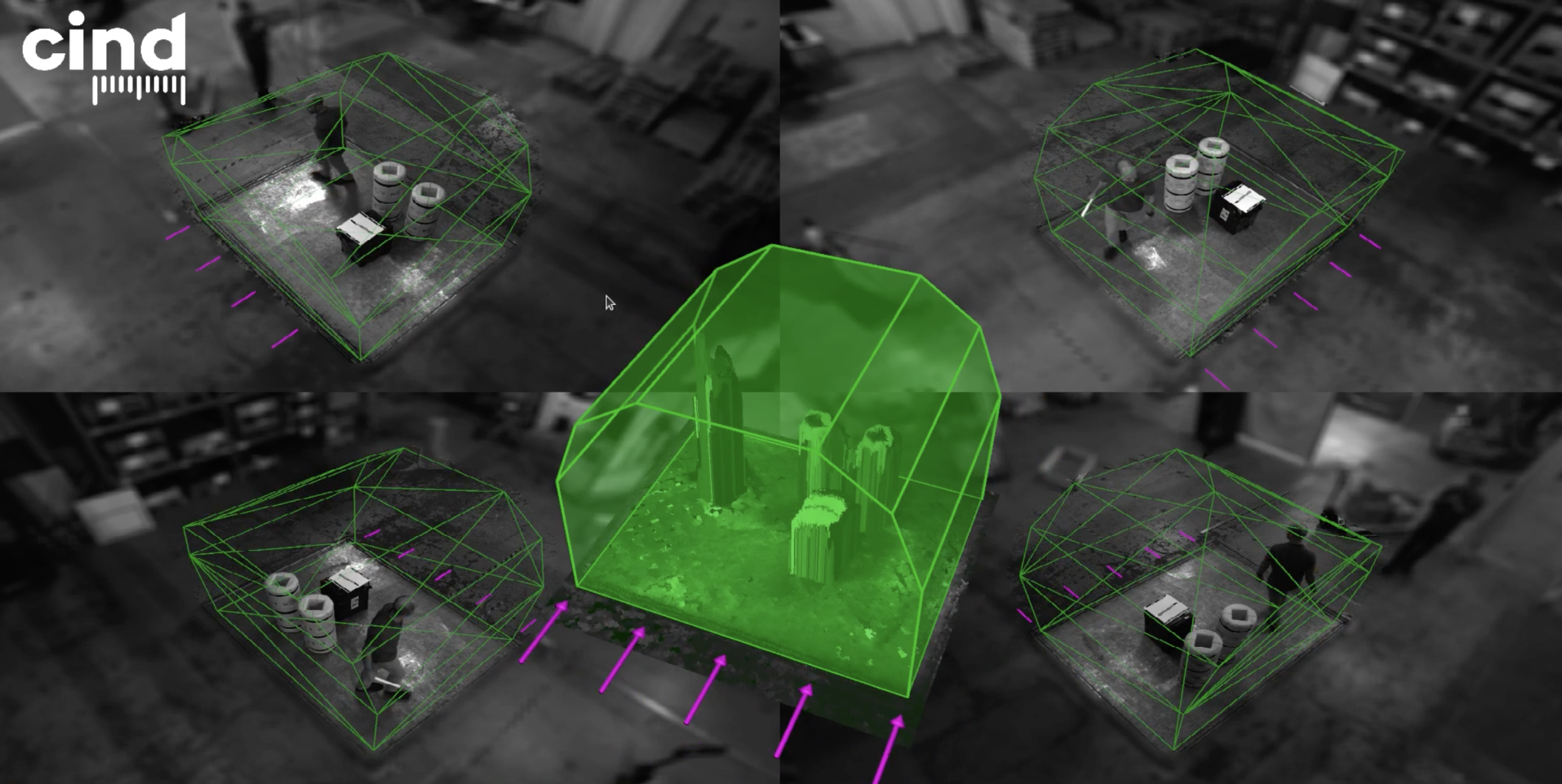
Stereo Vision Software uses two or more cameras to see the world in 3D, just like human eyes. The powerful combination of image data and AI enables our solutions to do more than measure. Every installation adds intelligence creating a long-term competitive advantage where each new system helps refine our algorithms and increase value for all our customers.
Stereo Vision delivers precise 3D measurements of fast-moving objects, even in challenging conditions such as bright light, dark materials, or reflective surfaces. Unlike ToF or laser sensors, it maintains accuracy and consistency, providing AI-ready data for advanced analysis.
The more and the better data our stereovision systems collect, the smarter our AI models become. By learning from real-world variation with different environments, lighting conditions, and object types our algorithms continuously evolve, recognizing patterns and making better decisions over time.
Our software-first approach enables new functionality and smarter performance through updates, no new sensors required. As data grows, so does capability ensuring your system gets better over time.
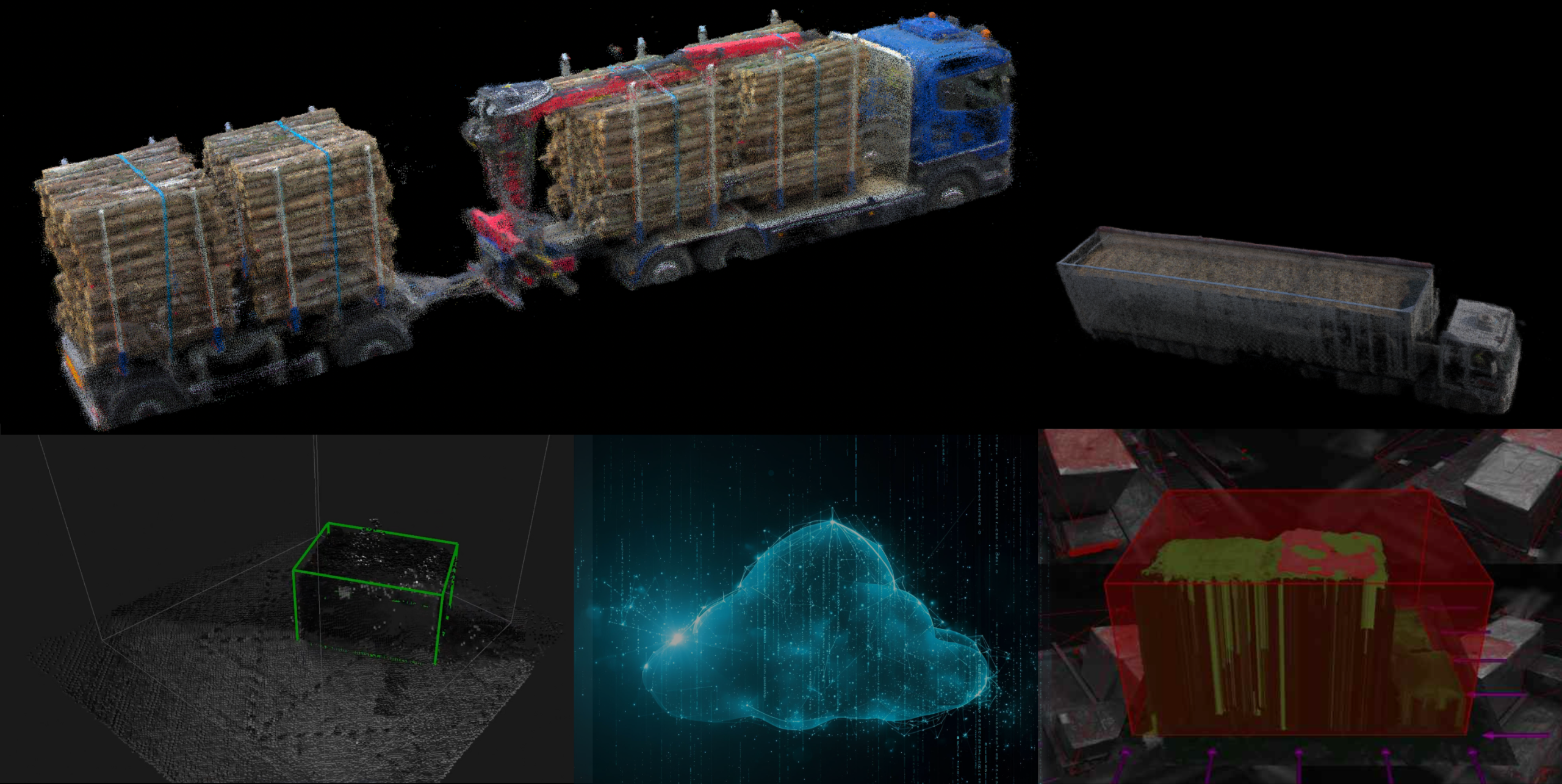
Artificial Intelligence (AI) enables computers to think and computer vision enables them to see and understand. Computer vision systems analyze visual inputs such as images and videos to extract meaningful information.
By processing this data through advanced algorithms, these systems can recognize patterns, make decisions, and even take action. Much like how humans learn from birth to recognize objects, gauge distance and speed, and detect anomalies, computer vision systems are trained to do the same using data instead of experience.
Contact us today.