FAQ ContourCheck
Our ContourCheck is developed to optimize the build-up of aircraft pallets, increase the load and thus reduce climate impact. On this page we answer questions we get a lot.
Our ContourCheck is developed to optimize the build-up of aircraft pallets, increase the load and thus reduce climate impact. On this page we answer questions we get a lot.
A: CIND ContourCheck helps air cargo teams verify ULD and aircraft pallet contours before transport, reduce rebuilds, improve cargo acceptance and capture master data about the built load.
ContourCheck is a 3D modelling software solution designed for air-cargo. It creates a real-time 3D model of the cargo build-up and compares it against a predefined virtual contour, helping to ensure pallets are built correctly for transport.
The system is used to improve cargo build-quality, increase load efficiency, reduce manual measurement efforts and ensure “fit to fly”.
ContourCheck is designed for all types of ULDs (Unit Load Devices) used in air-cargo including main deck, lower deck, and belly-hold configurations.
It accurately monitors complex cargo build-ups, mixed stacking, and irregular shapes while verifying that each load stays within its specific contour.
All standard contours are supported, even some of the challenging lower-deck and belly-shaped profiles, as well as all types of cookie sheets.
This ensures full compatibility across aircraft types and pallet configurations, delivering reliable “fit-to-fly” validation for every build. Do i need to pre-measure anything?
No, everything that is being put on the ULD pallet during build up will be included in the measurement.
Yes. For each pallet/ULD build-up, ContourCheck records image documentation and measurement data, including whether the build is “fit to fly”. This data is stored and accessible via a cloud-dashboard for traceability and reporting.
The system captures:
3D volume & shape of the pallet build-up
Real-time contour compliance indication (within or outside contour)
Image capture from multiple angles
Master-data collection (build metrics, load utilisation)
All this enhances build-quality, load optimisation and data transparency.
Absolutely. By ensuring cargo stays within the defined contour and capturing data on build-utilisation, ContourCheck enables higher load volumes, better space usage and fewer repack events directly impacting cost-efficiency and sustainability.
Yes. CIND’s systems are built for seamless integration and can send real-time Built shape, utilization and image data directly into your existing ERP or WMS environment.
Yes. All captured data, images, compliance status, utilization metrics is stored in a secure cloud-interface.
No. The system is developed to be installed with minimal disruption. Its stereo-vision cameras and software overlay easily adapt to build-areas, enabling rapid deployment and quick onboarding.
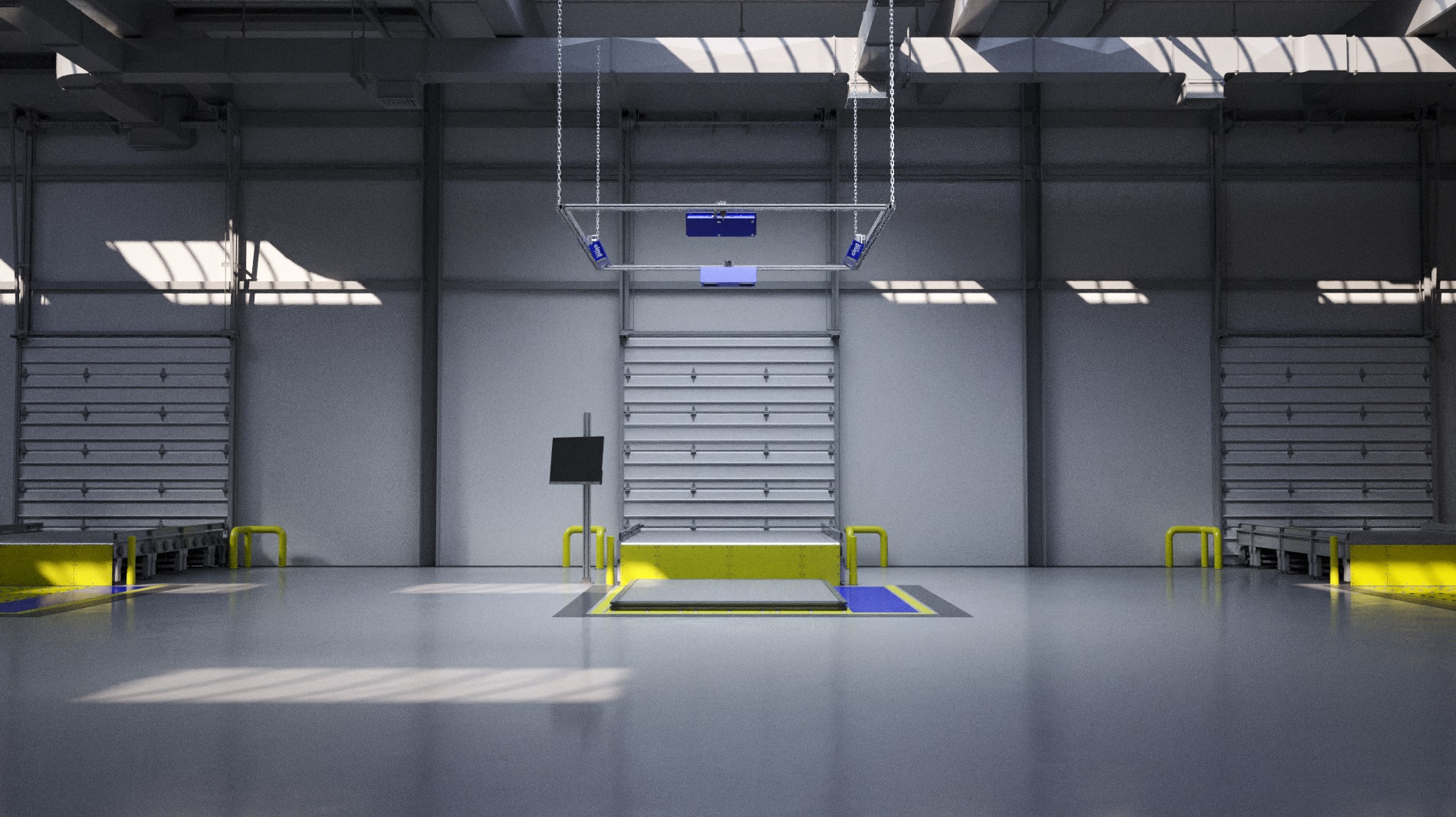
ContourCheck is intuitive: as the cargo is built on the ULD, the system runs automatically alongside the process. Operators receive real-time alerts on a screen if the build exceeds the contour and can correct immediately.
Training is straightforward. Because the system automates measurement and verification, operators typically need a short introduction to the interface and the workflow. The digital tool accelerates onboarding for new staff and reduces reliance on manual quality checks.
By automating build checks, image documentation and data capture, ContourCheck gives logistics teams the tools to:
Guarantee “fit to fly” compliance - reducing offloads or repacks
Maximise load-capacity utilisation and reduce wasted space
Gain full data transparency and reporting - supporting operational excellence and sustainability goals
Reduce manual errors, speed up build cycles and lower labour cost